RSREHAB
Research 3
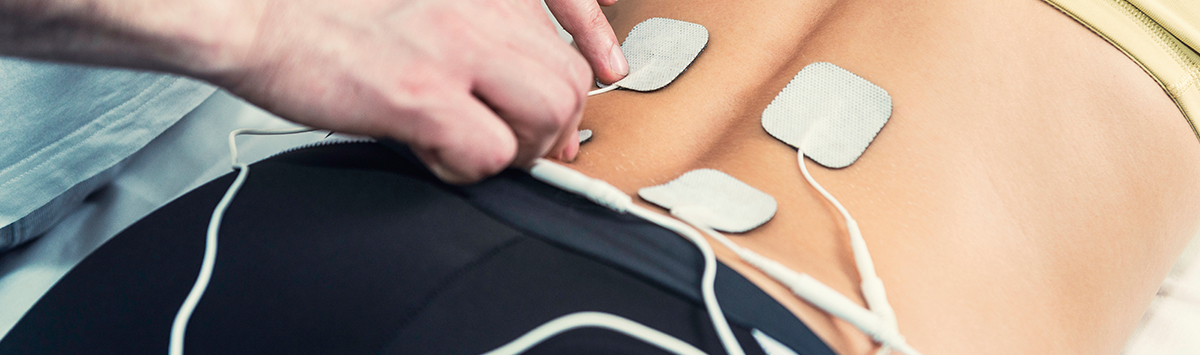
4-channel functional
electrical stimulation
therapy,low-frequency
stimulator,for dysphagia.
Dysphagia refers to all abnormalities that can occur in the oral, pharyngeal, and esophageal phases during the consumption of food. Dysphagia can lead to mild problems such as delayed meal times, discomfort, and coughing during meals, as well as serious problems such as malnutrition, dehydration, and aspiration pneumonia, and can even result in death. It is a disease that requires great caution as it can be caused by various factors, and in many cases, when the upper esophageal sphincter fails to open properly, food can be sucked into the airway, leading to complications such as aspiration pneumonia and death.
Various factors can cause dysphagia, especially when the upper esophageal sphincter does not open properly, causing food to be sucked into the airway, leading to complications such as aspiration pneumonia and even death. During this process, important muscles include the cricopharyngeal muscle and the superior and inferior pharyngeal constrictors. Through our research analysis, we have found that these muscles must contract continuously rather than simultaneously for normal swallowing to occur.
However, the existing electrical stimulation therapy devices used for dysphagia treatment are composed of two channels, which can stimulate both sides of the suprahyoid and infrahyoid muscles simultaneously, but cannot sequentially stimulate them, which is a limitation as the stimulation method is different from the normal mechanism. Therefore, to overcome this limitation, we have developed a functional electrical stimulation therapy device for dysphagia, composed of four channels, and are currently conducting clinical trials using it.
Using this, it is believed that improvement of swallowing function in dysphagia patients can lead to improvement in their quality of life and prevention of complications. Furthermore, we are conducting research to make it available not only in clinics, but also in daily life. The related findings have been presented at numerous international conferences and were published in the Journal of Electromyography and Kinesiology in 2017 and the American Journal of Physical Medicine and Rehabilitation in 2019, recognizing its superior performance.

Business Registration No.: 672-81-01593 ㅣ CEO: Ryu, Ju Seok ㅣ Address: #201 A-dong Seongnam Global Convergence Center, 46, Dallaenae-ro, Sujeong-gu, Seongnam-si, Gyeonggi-do, 13449 Rep. of KOREA
Copyright ⓒ 2019 RS REHAB. ALl Rights Reserved.
